Coaches watch hundreds of highlight videos. Most get closed in the first ten seconds.
Not because the athlete isn't talented. Because the video doesn't show it fast enough, in the right context, in a format coaches can actually use. A bad highlight video doesn't just get ignored. It sets a first impression that's hard to undo.
Here's how to build one coaches keep watching.
Start with what coaches are actually doing when they watch your video
D1 coaches describe receiving 30 to 50 video links a week during the evaluation period. They're not sitting down with popcorn. They're watching on a phone between practices, opening links from emails at 10pm, skimming through a recruiting platform during a film session.
You have ten seconds to earn the next ten seconds. If your first clip is a warmup drill, a long intro graphic, or a montage of you walking onto the field, coaches close it and move on.
The athletes who get callbacks lead with their single best play. Not their second best. Their absolute best.
The structure coaches want to see
There's no official format, but coaches at every level consistently describe the same preferences when asked. Short. Specific. Real competition only.
A highlight video that works runs 3 to 5 minutes, opens with your best 3 to 5 plays in the first 60 seconds, and shows only game footage. Not practice. Coaches evaluate performance under pressure, against real opponents, in real situations. Drills don't give them what they need.
Pick one position. If you play multiple, pick the one you're recruiting for. A confused video leaves coaches unsure what they're evaluating.
The piece most athletes skip: context clips. The best videos mix obvious highlight plays with clips that show decision-making, positioning, and effort. A goalkeeper video that only shows saves skips the distribution, the communication, the footwork. That's exactly what coaches want to see.
What to cut
Every second of footage that doesn't show you playing is a second coaches might use to close the tab.
Cut the long intro graphics with your name, number, GPA, and graduation year fading in one at a time. Cut warmup footage. Cut slow-motion replays that weren't exceptional plays. Cut music loud enough to drown out game audio. Three strong clips of the same skill beat 12 mediocre ones. Cut any clip where coaches would have to hunt for you in the frame.
On that last point: make yourself easy to find. A subtle circle or arrow overlay is fine. Not a flashy animation, just something so coaches aren't spending 30 seconds scanning the frame.
The technical basics coaches notice
Poor video quality undermines good footage. You don't need a production company. You do need 1080p minimum (4K if available). Grainy footage from 2019 is a signal that you're not keeping your materials current.
Use a stable sideline camera angle. If your club or school has film, use it. Shaky phone footage at field level makes it hard to see what's actually happening.
On audio: coaches are trained to evaluate game sounds, calls, communication, the crack of a ball off a bat. If you use music, keep it low. Dead silence or music that distorts on phone speakers both remove something coaches are listening for.
Keep the editing simple. Direct cuts only. No star wipes, no cinematic dissolves. Every elaborate transition takes attention away from the footage.
For sharing: upload to YouTube or Hudl. Both are universal. Google Drive works if permissions are open. Dropbox with access restrictions and Vimeo with privacy settings are not. Coaches shouldn't have to request access or create an account to watch your video.
The thing most highlight videos miss
The best videos don't just show the result of a play. They show the decision before it.
A midfielder who receives the ball, turns under pressure, plays a ball through a gap, and starts a counterattack is showing something more valuable than a midfielder who just appears on screen to score. The setup, if the angle is right, tells coaches how you think.
If your film allows for it, include 2 or 3 plays where you can see the full sequence: the recognition, the movement, the execution. That's what separates "good athlete" from "this athlete fits what we need."
What coaches look for by sport
The framework is the same regardless of sport: short, best first, game footage only. What coaches actually watch for is different.
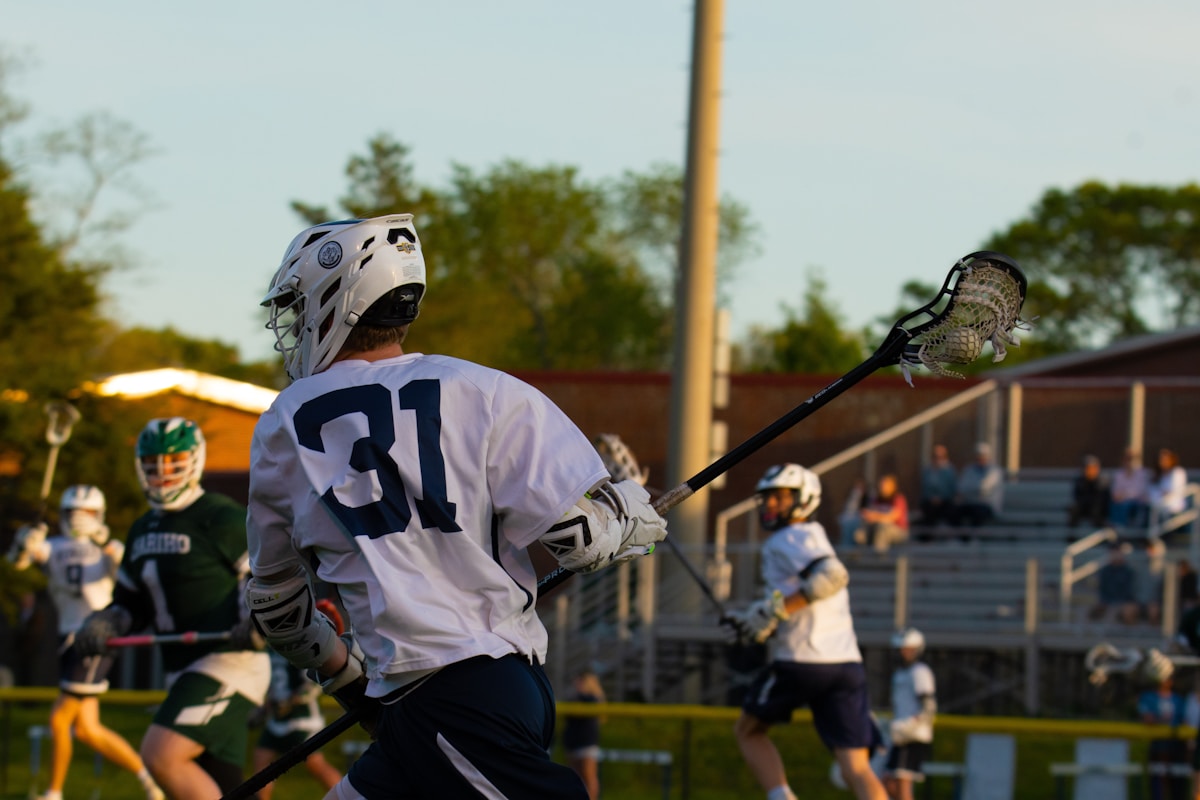
Soccer, lacrosse, and field hockey coaches want to see positioning, movement off the ball, 1v1 situations, and transition moments. Goalkeepers need distribution clips, not just saves.
Basketball coaches care about half-court sets and defense almost as much as scoring. Include clips where you make the right pass or play team defense.
Baseball and softball coaches want pitchers to show full at-bat sequences where possible. Position players need to show multiple tools: hitting, fielding, arm, and speed on the bases.
For swimming and track, full race footage and split times matter more than highlight clips. Don't cut to just the finish line.
Volleyball coaches want full rally clips showing serve receive, transition, and approach. Liberos need defensive range clips.
One thing applies to every sport: read the head coach's recruiting questionnaire before you finalize the video. Some programs specify exactly what they want to see and in what order.
Sending the video, and what to say about it
A highlight video sent without context puts the coach in a guessing game. Who is this athlete? What position? Where are they academically? A coach opening a random link from an unfamiliar name starts at a disadvantage before the first clip plays.
When you send it, attach the link to a direct email to the coach with your graduation year, position, and academic info. Put the link in the body of the email, not buried in a signature or a PDF. One sentence about the video is plenty: "The link above is from my last three games at [event/season]." Follow up once, two weeks later, if you don't hear back.
ProspectHub tracks whether coaches open your emails and lets you manage outreach in one place, so you know who has your video and who hasn't seen it yet. Start your free trial.

Before you send it: the quick checklist
- First clip is your absolute best play
- Video runs under 5 minutes
- Every clip is from a real game, not practice
- You're clearly identifiable in every clip
- Link is publicly accessible (YouTube or Hudl, no login required)
- Video is linked in your recruiting email, not just on your recruiting profile
- You've watched it all the way through, on a phone, before sending
Check all seven and the video is ready to go.