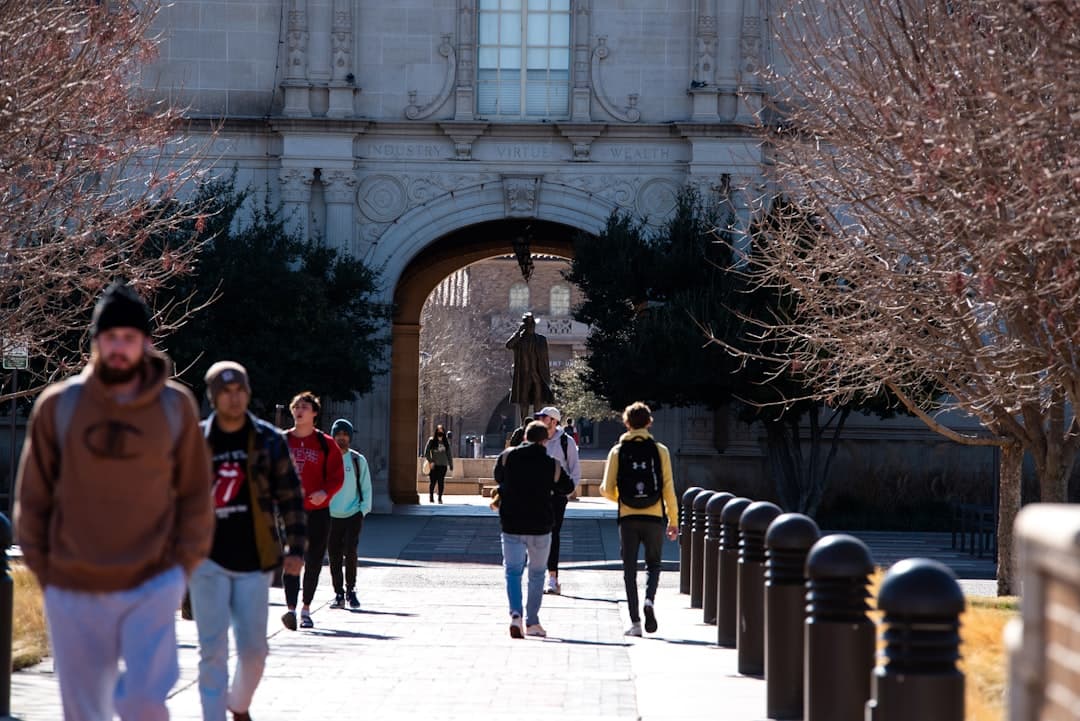
A campus visit is not a passive evaluation. The coach is watching how you engage as much as they're assessing your athletic ability. Athletes who ask thoughtful questions demonstrate exactly what coaches want: genuine curiosity, preparation, and real interest in the program.
Key stat: Official campus visits are one of the final steps in the recruiting funnel. The NCAA limits official paid visits to 5 per athlete at the DI and DII levels. DIII has no limit on unofficial visits, but official visit logistics still apply. Each one is high-stakes for both sides. (Source: NCAA Recruiting Rules)
Athletes who nod politely and say "this is great" are memorable for nothing.
These are the questions worth asking, grouped by who you're asking and what each one reveals.
Questions for the head coach
These signal that you've researched the program and are evaluating fit, not just chasing an offer.
1. What does success look like for this program in the next three years?
This tells you whether the program is growing, holding, or rebuilding. It also tells you whether the coach has a concrete vision or is managing expectations downward.
2. How do you develop athletes who arrive good but not yet starting-level?
Every freshman should know the honest answer to this before committing. What's the actual development path? Is there a redshirt option? How quickly do freshmen typically earn playing time?
3. What's the honest athletic profile of the athletes you offer in my position?
You're asking where you fit in the recruiting class. Coaches who respect you will give you a real answer. This also signals self-awareness: you're evaluating fit, not just collecting offers.
4. How would you describe your coaching style?
Listen for consistency between the answer and what you observed during practice (if you watched one). Coaches who describe themselves as "player-focused" but run a practice where no one speaks tell you something.
5. What happens to scholarship money if I'm injured in my first season?
If scholarship money is part of the conversation, you need to know this before you sign. Policies vary significantly by program and by whether it's an athletic scholarship or general institutional aid.
Legal note: Scholarship terms vary by institution. Ask for a written summary of the scholarship renewal policy and conditions. This is standard and reasonable to request. Never sign any commitment document without understanding what triggers renewal and what triggers non-renewal. NLIs apply to DI and DII programs. DIII and NAIA use institutional agreements; ask specifically what document you're signing and what its terms are. (Source: NCAA NLI information)
Questions for current athletes on the roster
Always ask to spend time with current athletes without coaches present. Programs that won't arrange this are telling you something. When you do get time alone with the team:
6. What do you wish you'd known before you committed here?
The most valuable question on this list. Current athletes answer with surprising candor when coaches aren't in the room.
7. How do you actually balance athletics with your academic workload?
You want specifics. Which majors are athletes on the team pursuing? Are academic support resources real or just a brochure claim?
8. What's the team culture like when things aren't going well?
Every program looks great on a winning streak. Find out what happens during a 4-game losing run or a rough early season.
9. How does the coach handle conflict with athletes?
"He's really great about it" tells you nothing. "When I disagreed with a lineup decision he sat down with me one-on-one" tells you something.
10. How many athletes from your recruiting class are still on the roster?
Attrition is one of the most honest metrics of program culture. You can verify it by looking at old roster pages, but asking current athletes gives you the unfiltered story.
Questions for academic advisors
11. Which majors are athletes in this sport most commonly in?
You want to know whether the academic programs you care about are realistically accessible given the team's travel and practice schedule.
12. What's the process when athletes miss class for travel?
Some programs have strong systems. Others leave athletes to manage it alone. The difference matters enormously by mid-semester of year one.
13. What does the academic support structure look like, specifically?
Mandatory study hall, tutoring, grade monitoring: what's actually in place versus what's in the marketing materials? Ask for specifics.
Questions to ask yourself after the visit
These matter as much as anything you ask on campus.
14. Did the athletes on the team seem like people I'd want to spend four years with?
15. Was I performing during the visit, or was I actually myself?
16. When I pictured myself playing here, did it feel exciting, or just safe?
17. If I weren't an athlete, would I still want to go to this school?
That last one matters more than most families realize. Athletic careers end. Injuries happen. Eligibility runs out. What remains is the school you chose.
What not to ask
- Don't ask about scholarship amounts in the first visit unless the coach raises it. It shifts the conversation toward money as the primary driver, which coaches factor into their read on your interest.
- Don't ask questions easily answered on the school's website. It signals you haven't done basic research.
- Don't ask how many other athletes they're looking at in your position. You won't get a real answer, and it signals insecurity rather than confidence.
The follow-up that almost no one sends
After the visit, send a handwritten note or a specific follow-up email within 48 hours. Not a form letter. A note that references a real moment from the visit: something a current athlete said, a specific question that came to you on the drive home, something you saw during practice that stuck.
Almost no athletes do this. It takes ten minutes. Coaches remember it.